Dream Therapy: Carla Simón on Romería
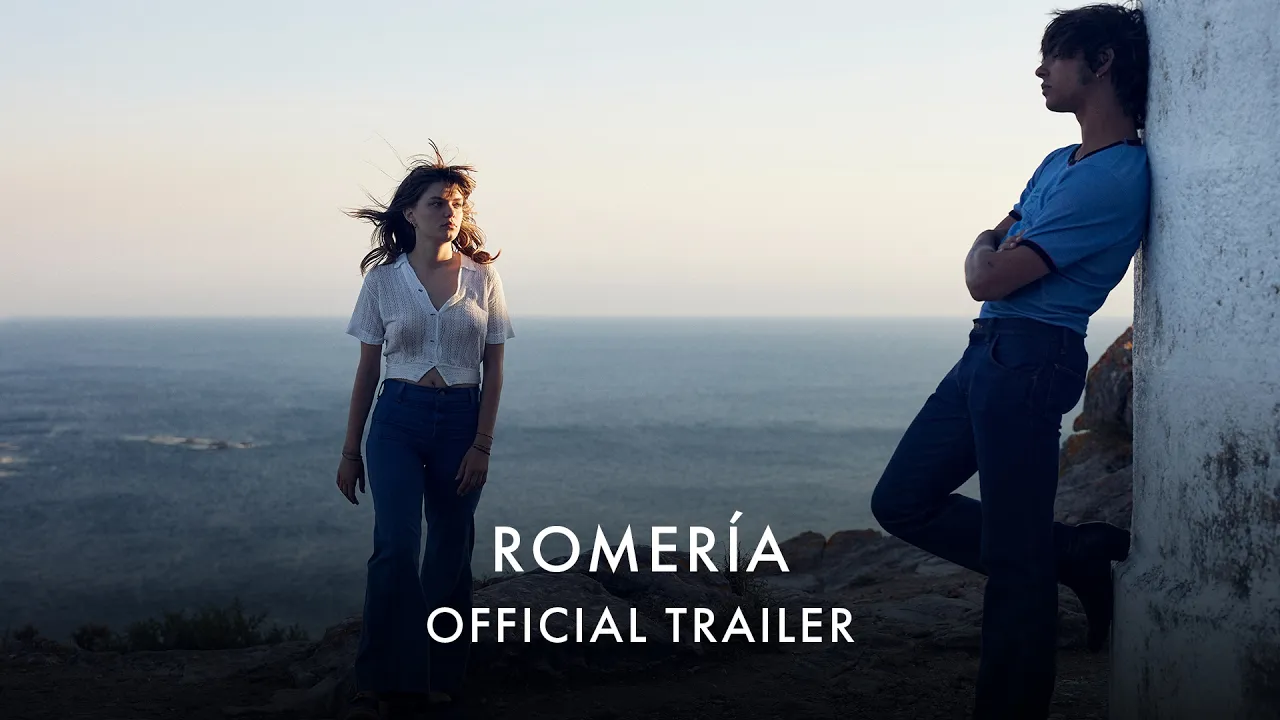
A dreamlike and deeply personal drama, Romería turns the cloudy terrain of family memory and grief into a vibrant portrait of love, freedom, and addiction during Spain’s transition to democracy. Culminating a loose cycle of autofictional films about her family, director Carla Simón discusses dreams, memories and the importance of looking back with Sophia Satchell-Baeza.
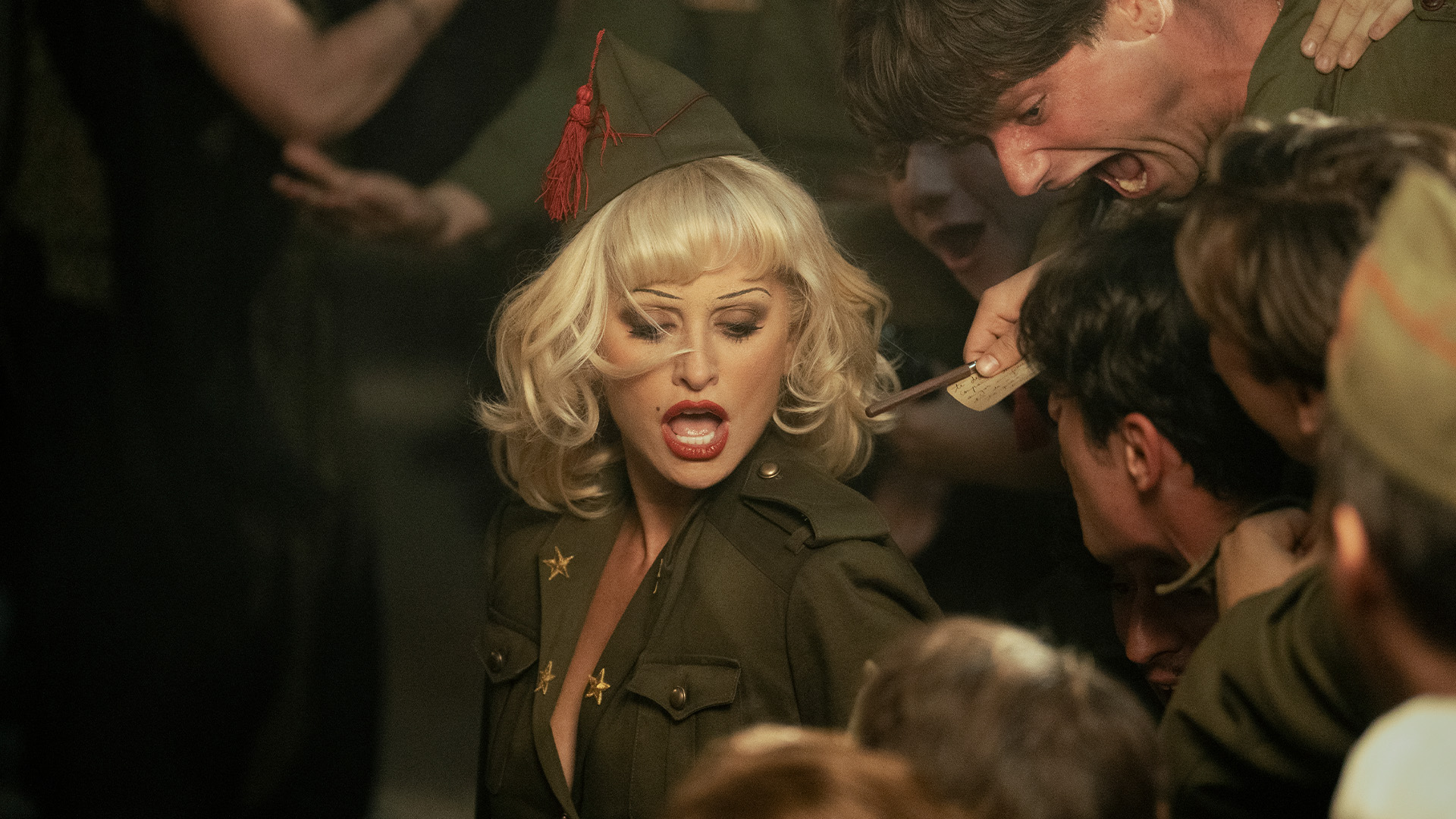
The film follows an aspiring young filmmaker, 18-year-old Marina, as she sets off on a quest to her father’s family in search of the paperwork she needs to access a grant for film school. Arriving in the wind-swept Galician port town of Vigo, where her biological father was from, she encounters a conflicting set of narratives surrounding her parents’ death. Unable to fully piece together the puzzle of her parents’ lives, she begins to dream about them in their youth. It’s in this fantasy realm that she has a powerful encounter that helps her to process her parents’ death and begin to move forward with her life.
Simón’s own biological parents died of AIDS-related complications when she was six years old, and her films thus far have been deeply rooted in family dynamics, capturing its rhythms and both the joy and trauma that are passed down through the generations. Her first feature, Summer 1993 (2017), follows an orphan’s move to a rural Catalonian village in the wake of her parents’ passing, and her sophomore film, the Golden Bear-winning Alcarràs (2022), was about a family of peach farmers who face an uncertain future, mirroring through fiction aspects of the family she grew up with.
In both her previous features, Simón is dealing in some way with her own lived experience, though with Romería, she had hit a wall, unable to conjure her parents’ romance from memory, or the stories that were told to her, which were burdened by family shame and secrecy. But did she find this challenging, or was it liberating? ‘It was more freeing,’ says Simón, ‘The film was born out of my frustrations at not having the possibility of reconstructing my parents’ stories’. She’d spent the whole promotional tour for Summer 1993 saying that ‘if you don't have a memory, you can’t generate it. Memory is also selective and subjective. You can’t really trust it,’ she adds, ‘Even if my parents were alive, I wouldn't know whether what they were telling me was true or not. Now I realise that you can, in a way, create your own memories, new ones. I use cinema to create the images that I'm lacking in my life.’
Simón also worked with a dream analyst to understand how the brain works when it's dreaming. ‘I did two kinds of therapies,’ she tells me, ‘One was around generational memory… a therapeutic method called Brainspotting. You focus your eyes on a spot and then explore the associated images that come up in your mind. It helps you understand things about your past,’ she adds, ‘I recovered some memories from my mum, and started to imagine moments when my parents lived together. It was very interesting.’ The second therapy she undertook was dream therapy, ‘to analyse them and somehow reach out to my parents,’ the director says. ‘I believe that, through dreams, we can repair many things. It's hard to dream about my parents, because I was so little when they died. Through the dream therapy sessions, I ended up connecting with them a bit.’
Another part of the research process involved working with her mum’s letters. Her short films – Correspondence (with Dominga Sotomayor, 2020) and Lacuna (2015) – deal directly with the epistolary form, but with Romería, letters helped her find the language for the diary entries that structure Marina’s pilgrimage. ‘Letters have been my way of getting to know her,’ Simón tells me. ‘There is something very intimate about writing a letter, which you don’t get with WhatsApp or an email. It's much closer to a diary. My mum’s letters are a way for me to feel her and understand her. I could suddenly hear her talking. She was using this old-fashioned vocabu